Call Now


Roman vs Roller Blinds Explained
TIPS
Posted 09/01/2025
Roller blinds. Roman blinds. Both brilliant. Both promise to sort your windows out. But while they might look alike from across the room, there are differences in how they're made, how they look once you raise them, and which rooms they suit best.

If you're going back and forth trying to decide, that's what we're here for. This guide walks you through what each type actually is, how they compare on style, practicality, cost, and maintenance, and which upgrades are worth considering.
By the end, you'll know exactly which one belongs on your windows.
What are roller blinds?
Let's start with the basics. What actually is a roller blind?
Roller blinds are one of the most popular types of blinds. They're also one of the most standard in terms of design. If you imagine a blind, there's a good chance you'll visualise a roller style.
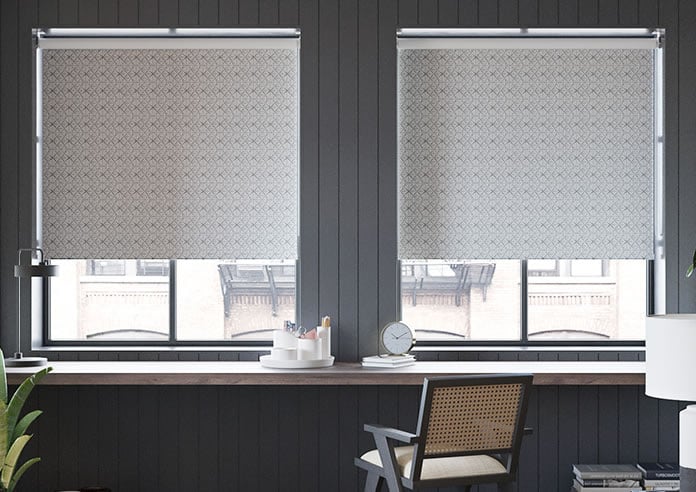
Roller blinds consist of a single piece of fabric wound around a headrail tube, which is raised and lowered via a chain, cord, spring, or motor. Roller blinds sit close to the window, so you get a nice, sleek finish with minimal stack when they're raised. They're a firm favourite in modern interiors, especially kitchens, bathrooms, and offices.
If you like your windows simple and sharp, roller blinds are hard to beat.
What are Roman blinds?
Now for Roman blinds. Down, they look pretty similar to a roller. Raise them, and that's where the difference shows.
Roman blinds feature a single fabric panel with rods sewn in at intervals throughout the length of the blind. When you raise them, either by chain, cord, or motor, these rods fold together to create neat horizontal pleats. Think practical, but with a touch of fancy flair.
They have a slightly wider profile than roller blinds because of the way the fabric stacks at the top. You'll often see Roman blinds creating a cosier look in living rooms, bedrooms, or traditional and period homes.
So, the short version. Roller blinds keep things sleek and simple, while Roman blinds bring texture and cosiness. They both look great, and it comes down to which look you prefer and which room you are dressing.
Roman blind vs roller blind: Fabrics
Not sure which style will give your home that perfect finishing touch? Let's find the best fit for your windows and your vibe.
Roller blind fabrics
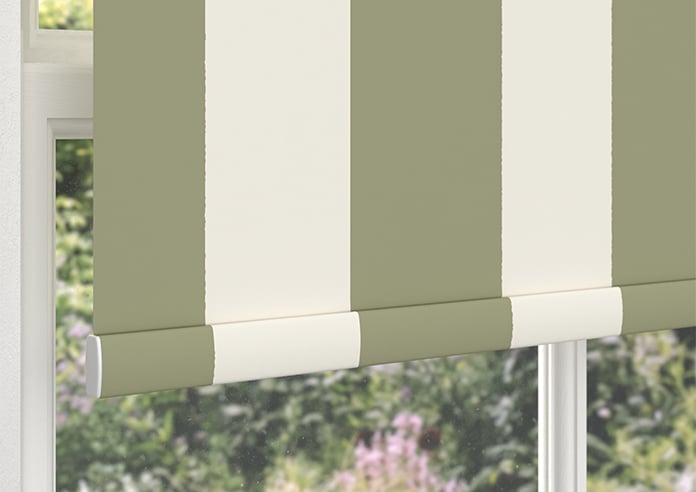
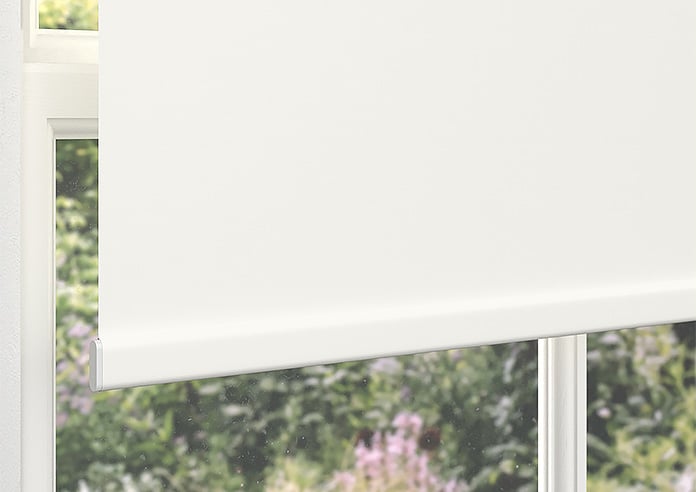
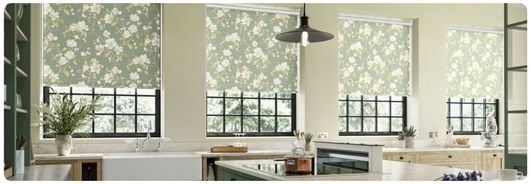
Roller blinds are most traditionally made from vinyl, PVC, or polyester – fabrics chosen as they're wipeable and moisture-resistant, which is exactly what makes them such a kitchen and bathroom favourite. You'll find plenty of opacity options too, from sheer and light-filtering through to blackout roller blinds.
If you're wanting a blind for somewhere genuinely damp-prone, look out for waterproof or 100% waterproof roller blind ranges. You can also find solar and reflective fabrics designed to help manage heat, plus a wide choice of plain, patterned, and printed designs if you want your blind to do a bit more talking.
Roman blind fabrics
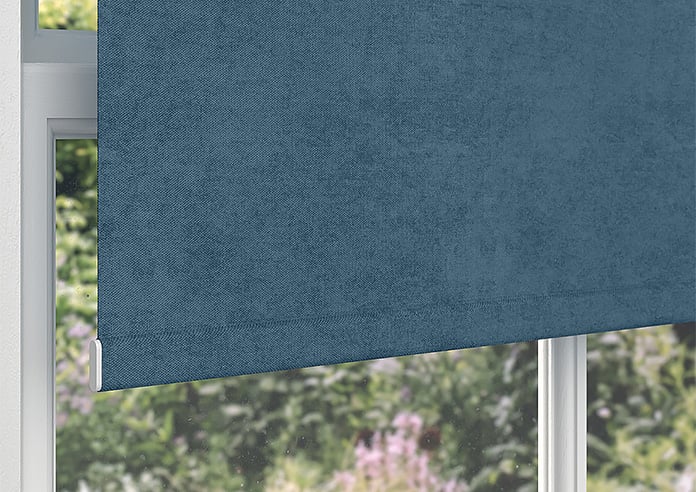
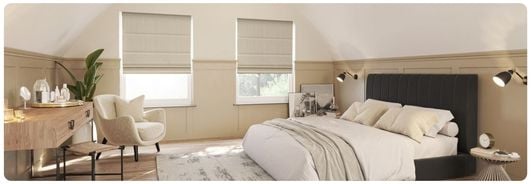
Roman blinds often lean more into natural and luxury fabrics, like linen, cotton, silk, velvet, and faux suede. Because the fabric stays fully visible even when raised (thanks to those neat folds), Roman blinds are a great match for bold patterns or colours that you really want to show off in your home.
In terms of lining options, you'll find blackout, thermal, and bonded or interlined fabrics, which all add to that soft yet structured finish. Roman blinds also pair beautifully with curtains if you love a textured, layered look.


Roman Blinds vs Roller Blinds: Pros and Cons
It's time for the ultimate window showdown. We've pitted these two blind heavyweights against each other so you can decide which one really deserves to grace your home.
What are the pros of roller blinds?
They're one of the more budget-friendly options available
You can maintain them easily yourself. They can be wiped clean, making them ideal for kitchens and bathrooms
There's minimal stack when they're open, so you keep more of your light and view
They're sleek in design, meaning they roll up tightly and don't look bulky
They're available in a huge variety of practical fabrics, from waterproof to blackout to energy-saving
They offer a modern, versatile look that suits most interiors
They can be layered with other blinds or curtains for a more decorative look
What are the cons of roller blinds?
They're simpler in design, so they can be less decorative or statement-making than other options, like Roman blinds
Fabric quality can vary across price points. We always recommend ordering samples to ensure the texture and weight perfectly match your expectations
As standard, they tend to be slightly less insulating unless you opt for an energy-saving fabric
They can sometimes feel a touch too modern for period or traditional interiors
What are the pros of Roman blinds?
They're an elegant, classic and decorative option, especially when raised
They offer excellent insulation, with thermal or interlined linings
You can find them in a wide range of premium, natural fabrics
They're a strong match for period homes, sash windows, and bay windows
They offer versatile light control, with options ranging from standard through to full blackout linings
What are the cons of Roman blinds?
They tend to be pricier than styles like roller blinds
They're higher maintenance, as dust can collect in the folds. They'll need regular vacuuming, and deeper cleaning is often a job for professionals
Due to the fabric options, they're less suited to higher humidity rooms, like kitchens and bathrooms
Due to the way the fabric stacks at the top when raised, they can block some light, unless they're mounted out of the recess
Made your decision?
We bet you have. So click through to the full range below and find your perfect blind:
Can you use Roman and roller blinds together?
Short answer: yes, and it can work great in deep window recesses. Pairing a roller blind with a Roman blind – or with curtains – gets you the best of both worlds.
A common approach is fitting a roller blind closest to the glass and inside the recess for practical light control and privacy, then layering a Roman blind (or curtains) in front or outside of the window recess for softness and style. This is especially handy in bay windows, or rooms where you want the flexibility of a blackout or sheer roller during the day for light control or privacy and a decorative finish once the sun goes down.
It's an effective way to enjoy the functional benefits of a roller blind alongside the charm of a Roman, so you don't have to settle for just one. A great tip is to add a thermal Roman blind for additional energy-saving benefits, particularly during the colder months.
Optional upgrades for your Roman or roller blinds
Looking to add a little extra magic? Both our Roman and roller blinds at 247 Blinds can be given a cheeky upgrade to perfectly suit your space and preferences.
No-drill Twist&Fit
Twist&Fit is exactly what it sounds like: a no-drill fitting system that twists into place inside your window recess, no tools or wall damage required. It's a brilliant option for renters, DIY novices, and anyone who'd rather spend their Saturday doing literally anything other than drilling into walls (fair enough!).
Ready for a damage-free upgrade? Our clever Twist&Fit no-drill system is available for both our Roman and roller blind collections. Take a look at our no-drill roller blinds and no-drill Roman blinds to see the options we have available.
Motorised blinds
Prefer to raise and lower your blinds with the touch of a button (or your voice, if you have a smart hub and are feeling fancy)? Motorised Roman and roller blinds bring convenience, added child safety with no cords in reach, and smart home compatibility. You can even schedule them to open and close automatically, which is handy for energy efficiency and for making it look like someone's home when you're not.
This option is available in both styles, so take a look through our collections of motorised Roman blinds and motorised roller blinds to discover your perfect match.
Keeping things fresh: How to clean your roller or Roman blinds
Cleaning doesn't have to be a chore. Here is the quick lowdown on keeping your window dressings in tip-top shape. If you want more info, we have comprehensive guides for each style, so just follow the links below.
Easy wipe-downs: Roller blinds
If you love a low-maintenance life, roller blinds are your best friend. They are refreshingly easy to care for; a simple dusting with a soft brush usually does the trick to keep them sharp. For those "oops" moments, most fabrics can handle a damp cloth wipe-down. This is exactly why our waterproof ranges are such a hit in kitchens and bathrooms.
Want more details? Check out our dedicated guide on how to clean roller blinds.
Handle with more care: Roman blinds
Roman blinds can be a little more high-maintenance than other blind types, like roller blinds. Due to the types of fabric used, Roman blinds usually require a gentler touch. To stop dust from settling into the decorative folds, give them a regular vacuum with a soft brush attachment. When it comes to a proper deep clean, we usually suggest calling in the professionals or opting for dry cleaning to keep the luxury fabric and lining in perfect shape.
For more tips, head over to our Roman blind cleaning guide.
The bottom line? Roller blinds are the easy-wipe champions, while Roman blinds tend to require a touch more maintenance to keep them looking like new.
How to measure and fit Roman and roller blinds
Ready to get these beauties on your windows? Measuring up is easier than you think, but getting it right is the secret to that polished, professional look. Whether you're leaning towards the sleek roller or the elegant Roman, the process is pretty similar.
First, you need to decide where they're going to sit. A recess fit stays tucked neatly inside the window frame for a tidy finish. You'll just need the wall-to-wall width and the wall-to-wall drop. We'd recommend measuring this in three places – at the top, middle, and bottom of the recess – and going with the smallest measurements.
If you want to block out more light or cover the whole frame, go for an exact fit (or outside fit) and measure where you want the fabric to actually end.
But don't wing it! Check out our dedicated guides on how to measure and fit your roller blinds, or how to measure and fit your Roman blinds, to ensure a perfect fit every time.
Roman blinds vs roller blinds: The verdict
Still not sure which style takes the top spot for your home? Here's a quick breakdown of everything we've discussed, so you can check how they stack up.
Style: Roman blinds are classic and decorative, great for bringing a bit of fancy flair and texture. Roller blinds are all about that sleek, contemporary vibe.
Budget: If you're watching the pennies, roller blinds are your budget-friendly bestie – they tend to be more affordable. Roman blinds can cost a bit more due to the fabric and construction, but the pay-off is a luxe, tailored finish.
Best rooms: Stick to moisture-resistant roller blinds for kitchens, bathrooms, or anywhere with a splash risk! Roman blinds are much better for adding cosiness and warmth to living rooms or bedrooms.
Insulation: Roman blinds with a thermal lining take the crown when it comes to keeping the heat in and the chills out.
Maintenance: Roller blinds can wipe clean like a dream. Roman blinds need a lighter touch and may require occasional professional TLC.
Upgrades: Both styles can be upgraded with no-drill Twist&Fit or motorised smart tech for the ultimate convenience.
The bottom line? There is no universally "better" option. Both Roman and roller blinds offer an excellent option – it all depends on the room, budget, and look you're after.
Roman blinds vs roller blinds: FAQs
Are Roman blinds or roller blinds better?
There's no concrete answer here. It depends on your priorities. Roman blinds offer a decorative, textured look and top-tier insulation, while roller blinds are more affordable, easier to clean, and better suited to humid rooms or those prone to splashes and spills, like kitchens and bathrooms.
What are the disadvantages of Roman blinds?
Roman blinds tend to be a bit pricier than roller blinds and require more careful cleaning, as dust can collect in the folds. They're also less suited to humid rooms and can block some light when stacked at the top, unless they're mounted outside the recess.
Are roller blinds better than Roman blinds for kitchens and bathrooms?
Generally, yes. Roller blinds are often made from wipeable, moisture-resistant fabrics like vinyl and PVC, with waterproof ranges specifically designed for damp and humid environments, making them more practical for kitchens and bathrooms than Roman blinds.
Are Roman blinds more expensive than roller blinds?
Yes, typically. Roman blinds use premium and natural fabrics like linen, silk, and velvet, along with more complex construction, but this extra craftsmanship comes with a slightly higher price tag.
Can you get blackout Roman blinds?
Yep! Roman blinds are available with blackout linings, as well as thermal and bonded or interlined options, giving you both the decorative look and effective light control.
Which type of blind is easiest to clean?
Roller blinds are generally easier to clean, as most fabrics can simply be wiped down with a damp cloth. Roman blinds need gentler care, and a deeper clean often calls for professional or dry cleaning.
Can Roman blinds and roller blinds be motorised?
Yes, which can be a game-changer! Both types are available with motorised options, offering convenience, child safety, and smart home compatibility, including the ability to schedule opening and closing times.
Do Roman blinds make a room look bigger?
Roman blinds are great for adding warmth and a layered feel, but if you want to maximise your space, rollers are the winners. Their sleek design and minimal stack when raised mean you keep more of your view and light, creating a much more open, spacious feel.
How long do Roman blinds and roller blinds typically last?
With proper care, both Roman and roller blinds can last many years. Roller blinds' simpler mechanisms and wipeable fabrics often mean less wear over time, while Roman blinds' longevity depends on fabric choice and how well they're cleaned.
And if you're buying from 247 Blinds, you're in luck – our Roman and roller blinds are all covered by our 5-year guarantee, so you can enjoy exceptional quality for years to come.
Can I get no-drill Roman or roller blinds?
Absolutely. No-drill Twist&Fit options are available across both Roman and roller ranges, making them ideal for renters or anyone who wants a quick, damage-free fit.
So, now that you've weighed up the choices and found your perfect match, why not take a peek at our full collection? Head over to our collection pages and find the roller blinds or Roman blinds that deserve a spot in your home sweet home!