Call Now


How to fit Electric Full Cassette Awnings | 247 Guides
Electric full cassette awnings combine convenience, protection, and a premium finish—offering smooth, motorised operation with all components fully enclosed when not in use. This guide will walk you through the key considerations for selecting and fitting an electric full cassette system, helping you achieve a seamless installation and reliable performance.
Before you begin, make sure to review our Measuring Guide to ensure all dimensions are accurate, as precision is essential for both fitting and motor operation. You can also explore our Electric Full Cassette Awning Landing Page to compare features, control options, and design choices available across the range.
With the correct measurements and a clear understanding of the setup, installing an electric full cassette awning is straightforward. Let’s get started.
Looking for similar guides?
View our how to fit Open Cassette Awnings guide below, or view the fitting page here
View our how to fit Full Cassette Awnings guide below, or view the fitting page here
We strongly recommend at least 2 people, preferably 3, for this installation. Awnings are very heavy and attempting to install them alone can be difficult and dangerous.
IMPORTANT:
The standard plug provided with your awning can be plugged into an outdoor socket or an extension cable inside the house. Please ensure the awning is installed and secure before plugging it in.
You can choose to have your awning wired directly into the mains, the cable will accommodate this, though we strongly recommend you employ a certified electrician to do this for you.
What you'll need
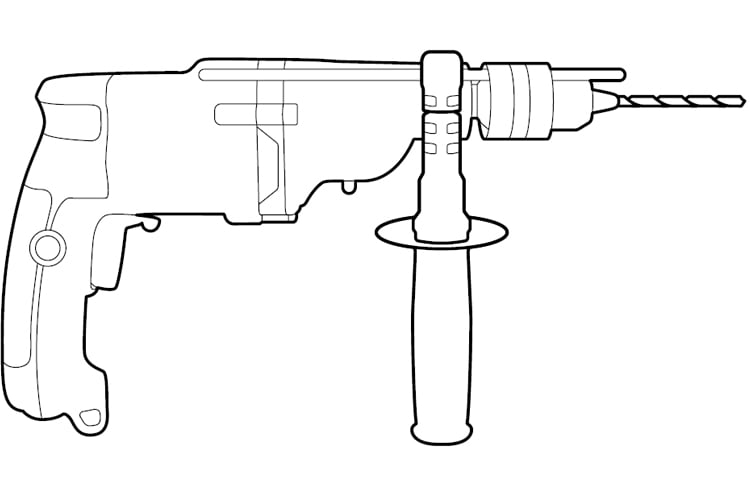
Hammer drill with 12mm masonry bit
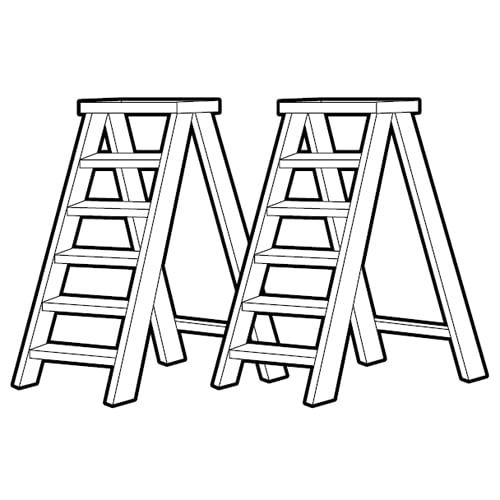
Step ladder x2
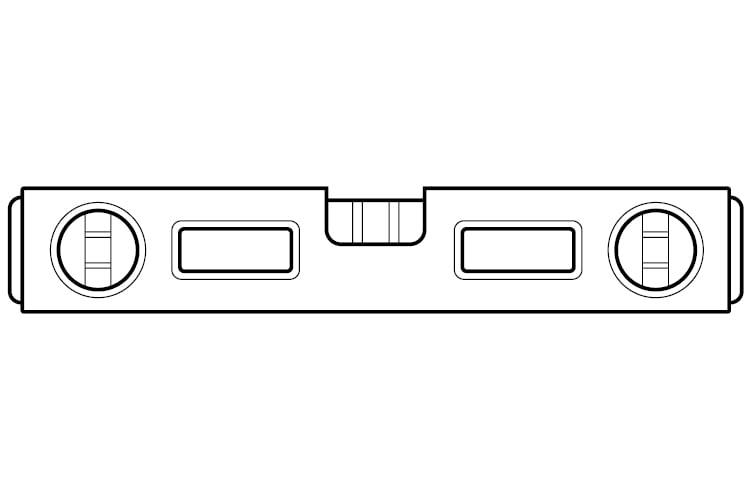
Spirit level
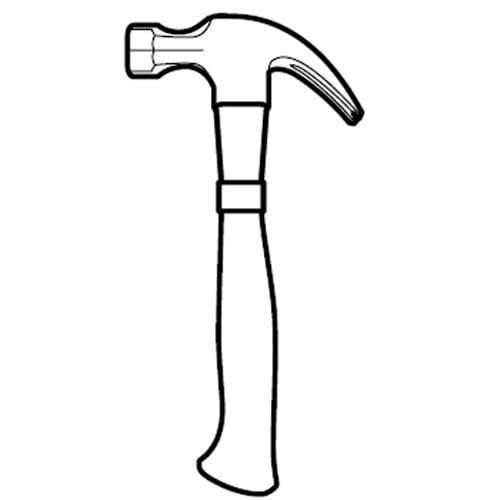
Hammer
Spanner
Allen key
Pencil
AAA batteries x2
What’s in the box?
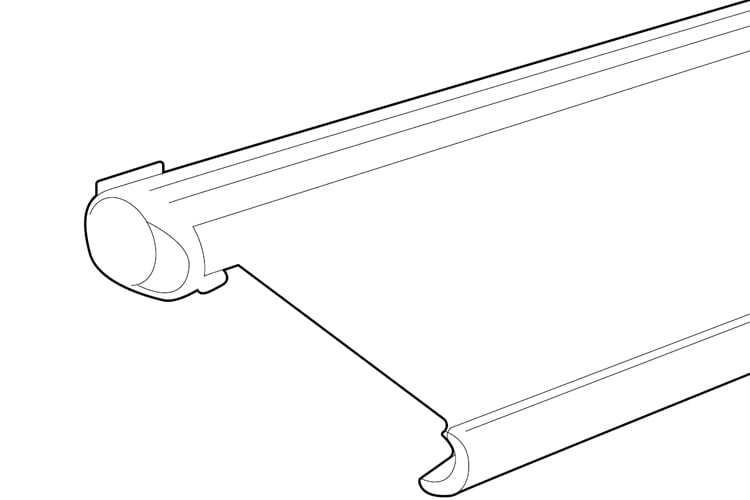
Awning (pre-assembled)
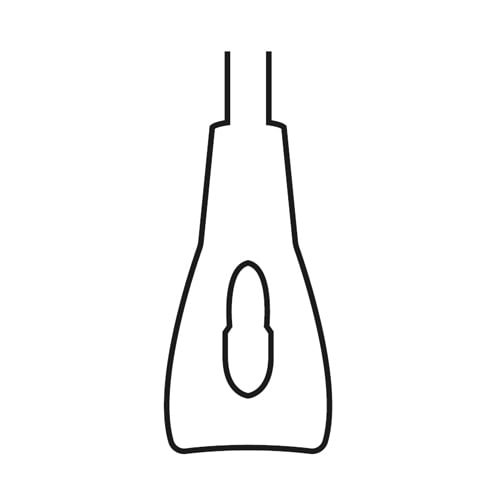
Hand crank hook
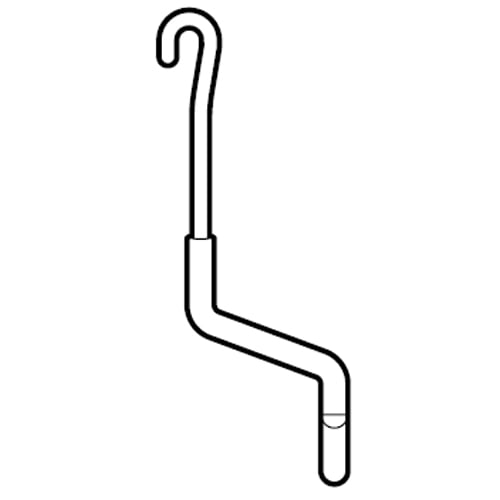
Hand crank
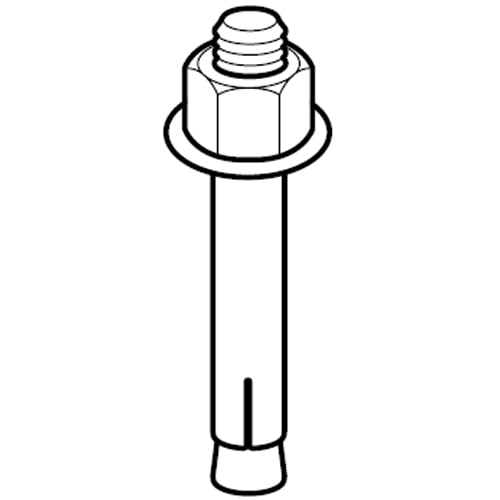
Wall Anchors x8
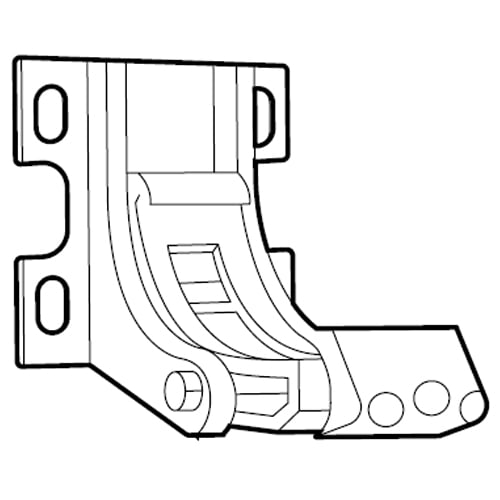
Wall brackets x2
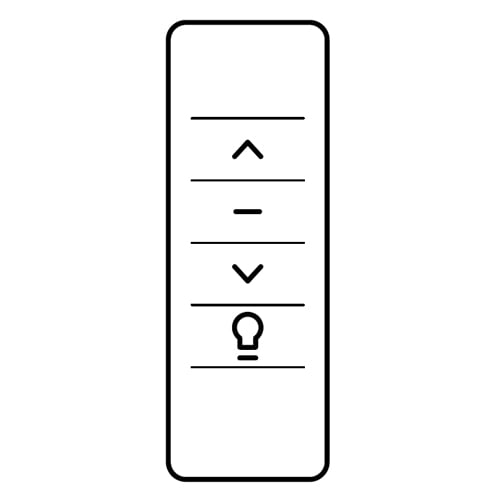
Remote control
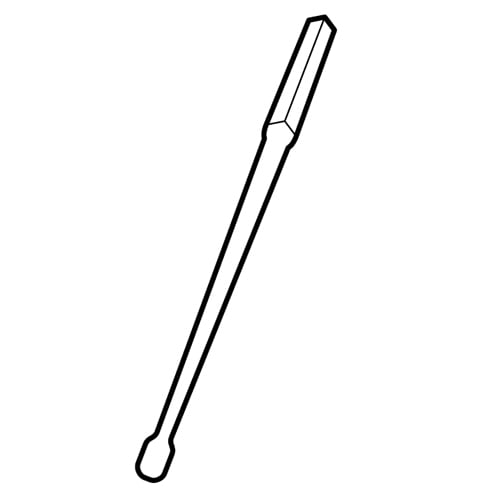
Adjustment rod
Installation
Fitting Location
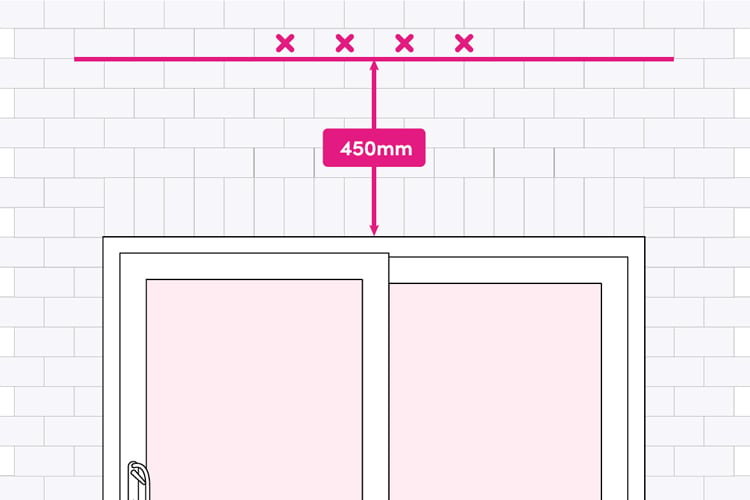
If you are installing your awning above a window/door, you need to ensure enough room is left between the top of your window and the awning.
To do this, measure 450mm up from the top of the window/door and use a spirit level / laser level and chalk to mark a straight line. This is the minimum height at which the awning should be installed.
Installing the brackets
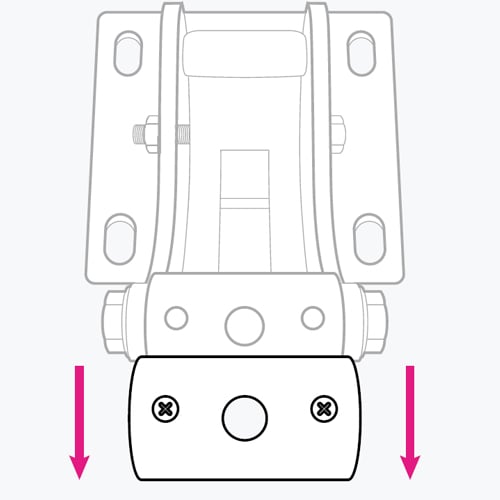
Before you begin installing the brackets, use an allen key to remove the front plates, put these to one side as you’ll use them later to secure the awning to the brackets.
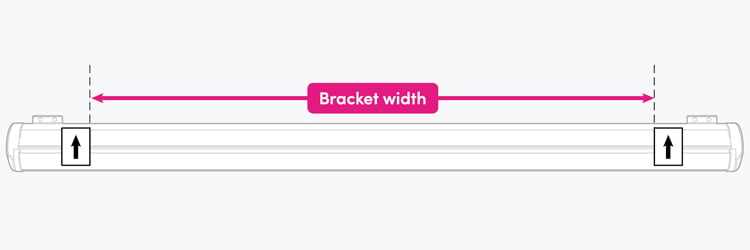
The awning has arrow indicators where the brackets need to be positioned. Measure the width between the arrows, this will be your ‘bracket width’.
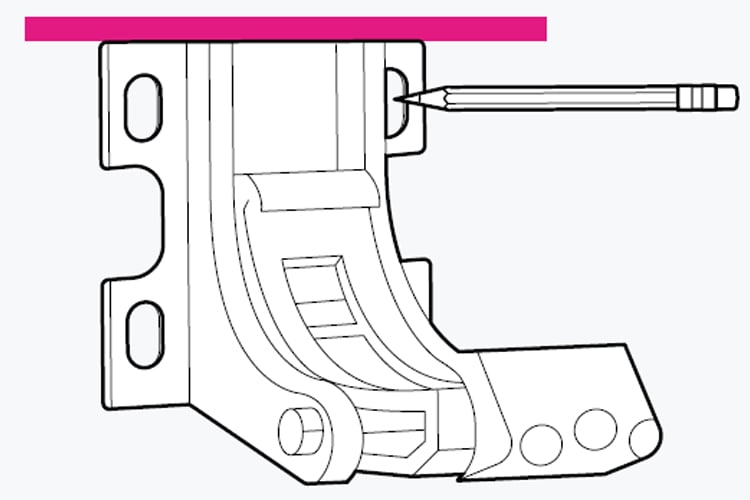
Use the bracket width and the fitting location identified in the first step to place the brackets where you will be installing them. The lower screws should be positioned on or above the line you marked earlier.
Mark the screw holes with a pencil; try to mark these as far away from the mortar between the bricks as possible.
Make sure these screw holes are marked on the same horizontal line - you can do this using a laser level, or by placing a spirit level on a long enough object you know to be straight.
Using a hammer drill and a 12mm masonry drill bit, drill at each screw hole mark, the holes should be roughly 85mm deep.
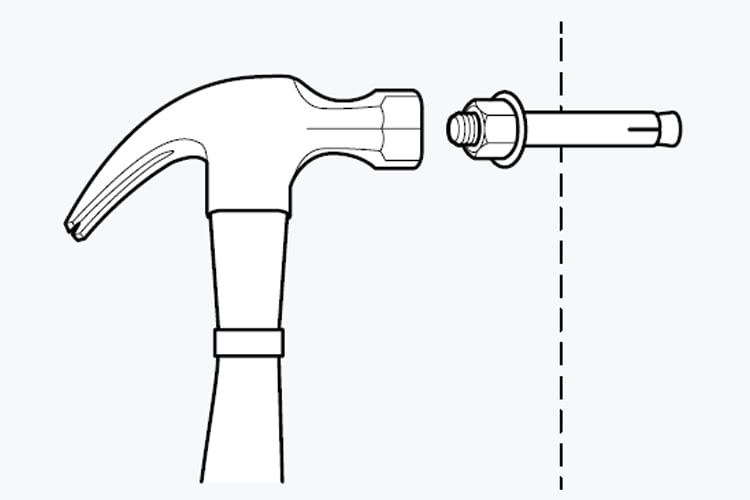
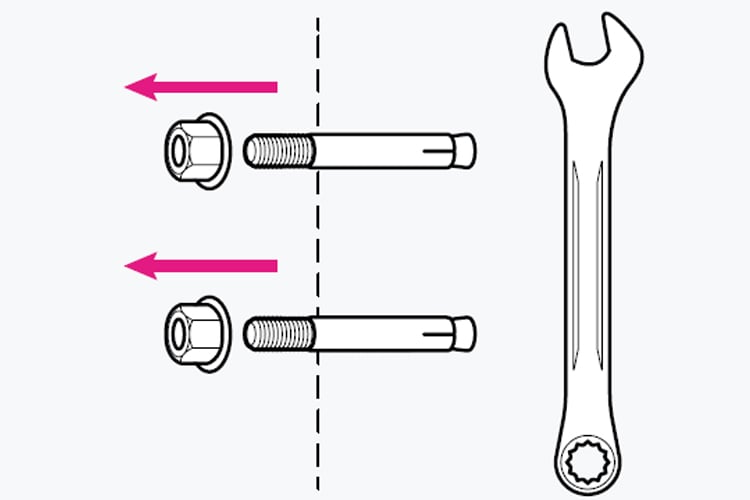
With the bolts still attached, place the wall anchors into the holes you’ve drilled. Hammer the wall anchors in until the bolts are touching the wall.
First, remove the bolts using a spanner.
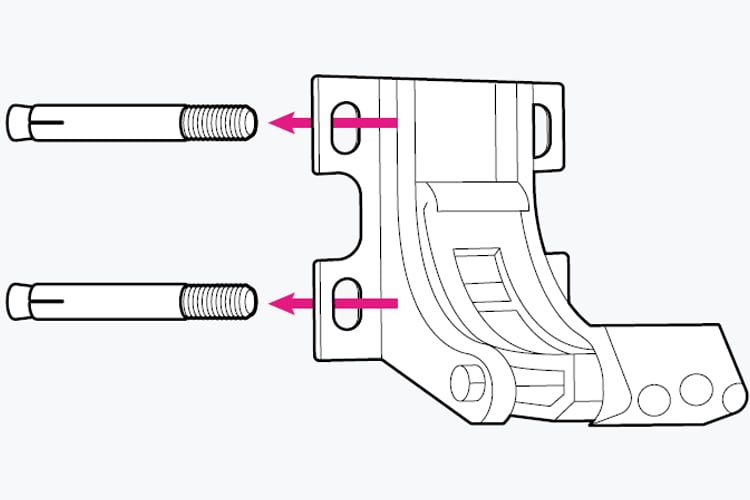
Then, slot your brackets over the wall anchors, then loosely screw the bolts back onto the wall anchors. Place your awning into the brackets, then once you are happy with the positioning, screw the bolts tightly into place, ensure you and your installation partner are holding the awning in place whilst completing this step.
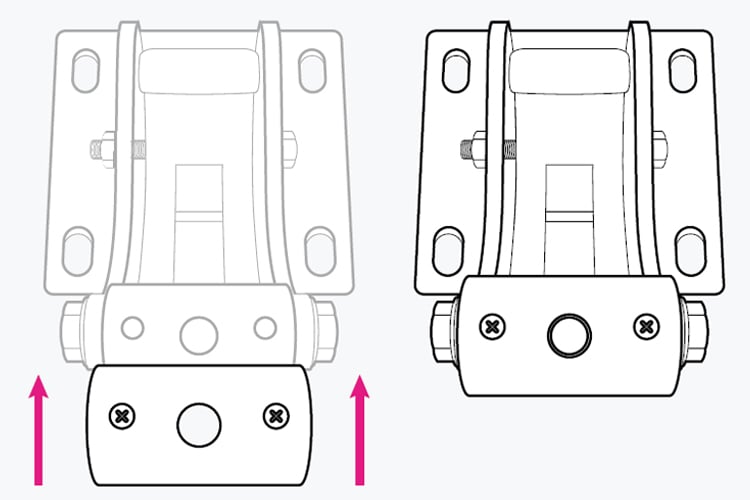
Whilst continuing to hold the awning in place with your installation partner, reattach the front plates you removed earlier secure the awning in place.
Power on the motor by plugging it into an outdoor socket, an extension cable inside the house, or choose to have it wired directly to the mains by a certified electrician.
Insert 2x AAA batteries into the remote control and press the up or down button on the remote. The awning should now operate normally.
Avoid standing in front of or underneath the awning when operating.
Motor Set-Up and Troubleshooting
Pairing
Your motorised awning should arrive with the remote already paired. You will know the remote is paired as the motor will ‘beep’ to indicate this when it is turned on.
If the motor is not paired to the remote, the ‘beep’ will be accompanied by a ‘jog’ of the motor.
To pair the remote with the motor:
- Power the awning off for 30 seconds
- Turn the motor back on, you should hear one ‘beep’ and the motor will ‘jog’. Within 10 seconds of turning the motor back on, use a pin to press the P2 button once on the back of the remote as shown in figure x, you should now hear another ‘beep’ and the motor will ‘jog’, this means it is ready to be paired.
- Now press the up or down button - you should hear three ‘beeps’ and the motor will ‘jog’, the remote is now paired.
Note: The button you press when pairing will determine the button that retracts the awning. The button you do not press will control the extension of the awning.
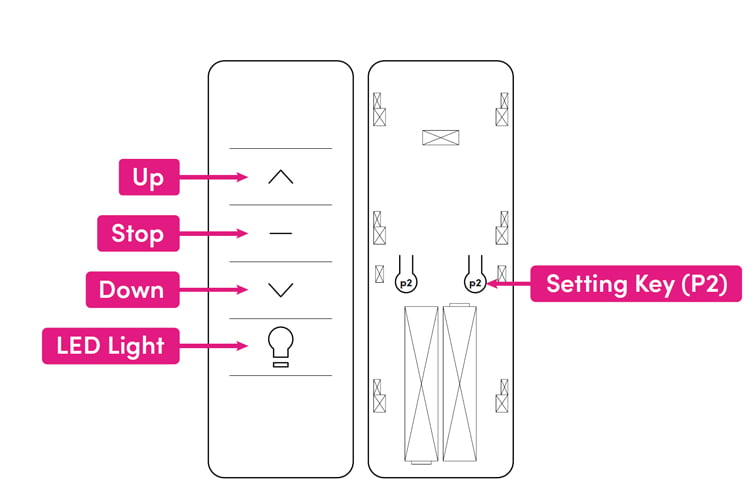
Troubleshooting if your remote is not working
- Check your remote control has power, the indicator light should illuminate when the buttons are pressed. If it doesn’t, try replacing the batteries.
- If your remote does have power, try following the steps to re-pair the motor.
If you’re still having issues, get in touch with our customer service team.
Adjusting the Height
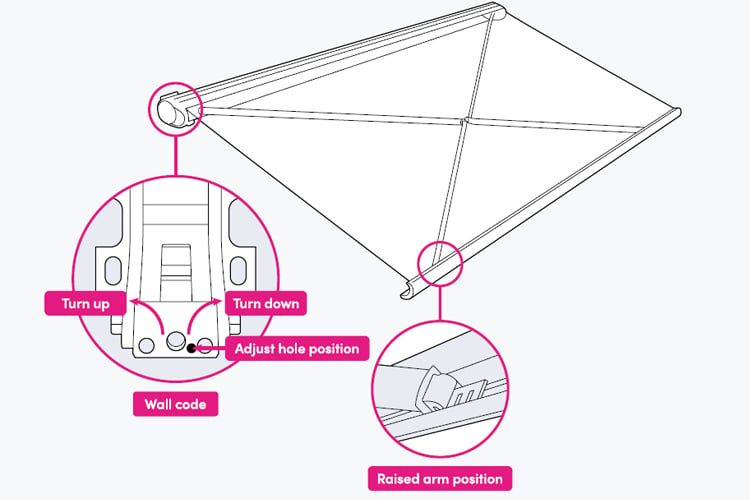
If you find that one side of your awning is higher/lower than the other when fully extended, you can adjust the height level of the arms.
You will find an adjustment hole located on each arm bracket. Fully extend the blinds, then use a hexagonal key to adjust the height, rotate clockwise to lower the arm, or anti-clockwise to raise the arm.
Maintaining Your Awning
Remove the hand crank when the awning is not in use.
Clean the fabric at least once a year with a sponge or soft brush and warm, clean water. For any stains, use a mild detergent. Avoid using harsh chemicals or cleaning products.
Clean the frame/metal components at least once a year with a sponge and warm, clean water.
Spray any moving parts with WD40/lubricant at least once a year to reduce wear.
Whilst the fabric is weather-resistant, if it does get wet from cleaning or rain, ensure you leave it fully extended to dry at the first opportunity to prevent mildew.
If the awning is not being used for an extended period of time, make sure to take it down and store it under cover where possible.
IMPORTANT: Usage Precautions: Ensure you retract the awning before strong winds, heavy rain, or other severe weather to prevent damage to the awning or the structure it’s attached to.